
Sharp Betting: What Are Sharp Bettors and How to Follow Their Money
Sports betting is often divided into two groups of participants: casual bettors and professional bettors. While recreational players may wager based on personal preferences or popular opinion, experienced bettors usually rely on data, research, and disciplined bankroll management. Many sports enthusiasts search for resources such as as128g sharp betting to better understand how professional betting works and why market movements matter. Learning what sharp bettors do and how betting lines respond to their activity can help beginners gain a deeper understanding of sports betting markets.

What Is Sharp Betting?
Sharp betting refers to wagers placed by experienced or professional bettors who use statistical analysis, probability, and market research to identify value in betting odds. These bettors are often called "sharps" because they make informed decisions rather than relying on intuition or emotion.
Unlike casual bettors, sharp bettors focus on long-term profitability instead of trying to win every individual wager. They understand that even well-researched bets can lose and that consistent decision-making is more important than short-term results.
Who Are Sharp Bettors?
Sharp bettors are individuals or betting groups with extensive knowledge of sports, betting markets, and probability.
They often spend significant time researching factors such as:
- Team performance trends
- Injury reports
- Player statistics
- Coaching strategies
- Historical matchups
- Scheduling advantages
- Weather conditions for outdoor sports
Many professional bettors also use advanced statistical models to estimate the probability of different outcomes before comparing those estimates with sportsbook odds.
Sharp Bettors vs. Public Bettors
Understanding the difference between sharp bettors and public bettors is important.
Sharp Bettors
Sharp bettors generally:
- Base decisions on research and data
- Look for value rather than favorites
- Practice disciplined bankroll management
- Focus on long-term results
- Avoid emotional betting
Public Bettors
Public bettors are more likely to:
- Bet on popular teams
- Follow media narratives
- Make decisions based on recent results
- React emotionally to wins and losses
- Place bets for entertainment
Neither approach guarantees success, but sharp betting emphasizes analysis over impulse.
How Sportsbooks React to Sharp Money
Sportsbooks monitor betting activity closely.
When respected bettors place significant wagers, sportsbooks may adjust the odds to manage their exposure and reflect updated market information.
These adjustments are commonly known as line movements.
For example, if several professional bettors place wagers on the same team, the sportsbook may shorten that team's odds while increasing the odds for the opposing side.
Line movement does not always indicate which team will win, but it can reflect where influential betting activity has occurred.
What Is Line Movement?
Line movement refers to changes in betting odds after markets open.
Several factors can cause odds to move, including:
- Injury news
- Weather updates
- Team lineup changes
- Public betting activity
- Professional betting activity
Understanding why odds change helps bettors interpret the market more effectively instead of simply reacting to changing prices.
Reverse Line Movement Explained
One concept often discussed in betting markets is reverse line movement.
This occurs when:
- Most public bets favor one team.
- The betting line moves toward the opposite team.
Some bettors interpret this as an indication that respected bettors may have placed larger wagers on the less popular side.
However, reverse line movement should never be viewed as proof that one outcome is more likely than another. It is only one factor that may be considered alongside broader analysis.
How to Learn From Sharp Betting Activity
Rather than attempting to copy every market movement, bettors can use sharp betting concepts to improve their own research process.
Helpful practices include:
Study Closing Lines
Comparing opening odds with closing odds can reveal how betting markets evolved before an event began.
Monitor Injury Reports
Late-breaking player news often affects betting markets significantly.
Understand Market Timing
Professional bettors sometimes place wagers immediately after odds are released, while others wait until additional information becomes available.
Focus on Value
Instead of predicting winners alone, experienced bettors evaluate whether available odds accurately reflect the probability of an outcome.
Common Misconceptions About Sharp Betting
Several myths surround professional betting.
Myth 1: Sharp Bettors Always Win
Even professional bettors experience losing wagers because sports outcomes are inherently unpredictable.
Myth 2: Following Every Line Movement Guarantees Success
Odds move for many different reasons, and not every adjustment is driven by professional betting activity.
Myth 3: Large Bets Always Come From Professionals
High wager amounts do not necessarily indicate sharp betting. Sportsbooks consider many factors when adjusting odds.
Responsible Betting Principles
Whether learning from professional betting strategies or placing casual wagers, responsible gambling remains essential.
Good practices include:
- Setting betting limits
- Using a dedicated bankroll
- Avoiding emotional decisions
- Keeping realistic expectations
- Viewing betting as entertainment rather than guaranteed income
Long-term discipline is often more important than short-term results.
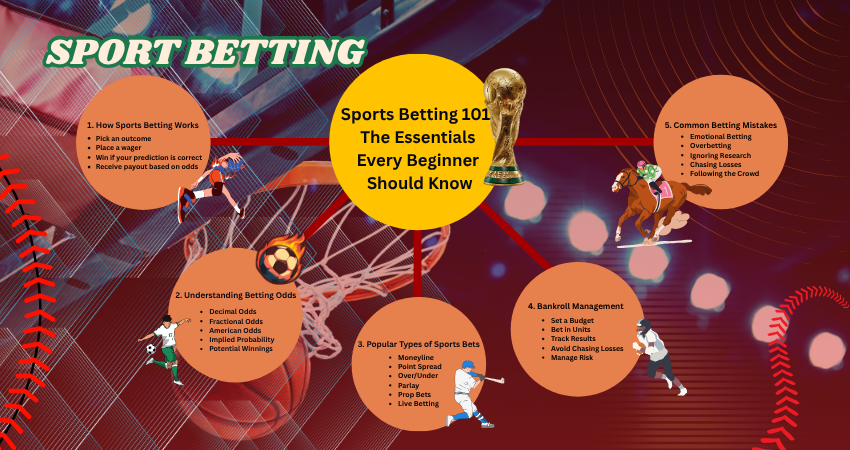
Conclusion
Sharp betting focuses on informed decision-making, statistical analysis, and disciplined bankroll management rather than emotion or public opinion. Professional bettors seek value in betting markets by comparing their own probability assessments with sportsbook odds, while sportsbooks often adjust lines in response to influential betting activity. Although observing line movements and market trends can provide useful insights, no strategy can eliminate the uncertainty of sports. Combining research, patience, and responsible betting habits offers a stronger foundation for understanding how betting markets operate.
Frequently Asked Questions
1. What is a sharp bettor?
A sharp bettor is an experienced sports bettor who uses research, statistics, probability, and disciplined bankroll management to identify value in betting markets.
2. What is sharp money?
Sharp money refers to wagers placed by respected or professional bettors whose betting activity may influence sportsbook odds.
3. What is line movement in sports betting?
Line movement is the adjustment of betting odds after markets open, often in response to betting activity, injuries, weather, or other important information.